
Civil & site development
Excavation, grading and
site development in
Ventura and Los Angeles County
Cutting and grading building sites, demolition and haul-off, utility trenching, and the controls that hold an open excavation through the wet season.
What this covers
Earthwork and site development: taking down what stands on a site, cutting and grading it to design levels, exporting what comes out, and trenching for the services that follow. All under the erosion controls a city requires before ground is broken.
EMAE & Sons Inc works across Ventura, Los Angeles and Orange County. Class A General Engineering covers the earthwork, grading and underground work; Class B General Building covers the structure that follows. One contractor, one contract, from clearance to the build.
- CSLB license
- #1107216 — Class A, B, C-36
- Office
- Thousand Oaks, CA 91360
- Local service area
- Thousand Oaks · Newbury Park · Westlake Village · Agoura Hills
- Recent work
- West Hollywood · Pomona · Brentwood
What we do
Site clearance and demolition
Taking down what stands on a lot and hauling it off, so the site can be cut to the levels the drawings need.
Hillside and cut-slope excavation
Cutting a building footprint into a slope, with the face of the cut held and monitored for as long as it stays open.
Grading to design levels
Bringing a site to the levels and falls on the civil drawings, including the pads and aprons that structures sit on.
Rock excavation and export
Breaking out material that cannot be dug, reducing it to a loadable size, and exporting it by truck with the street kept clean between loads.
Utility trenching and underground services
Trenching for storm, sewer, water and conduit, with sleeves set through structure before it is closed up.
Erosion and sediment control
Perimeter fiber roll, silt fence and gravel bags, and sheeting over an open face, installed to the city's requirements and maintained through the wet season.
What does grading and excavation involve on a hillside lot?
Three things decide what the work costs and how long it takes: what is already on the site, what the ground turns out to be made of, and how far the material has to travel once it is out.
What comes off first
An infill lot usually has something standing on it. Taking that down, disconnecting its services and hauling it away is the first scope, and it has its own permits and its own inspections.
What the ground turns out to be
Material that will not dig has to be broken out and reduced before it can be loaded. That changes the plant on site, the number of truck movements and the schedule, and it is rarely known in full until the cut is open.
Where the material goes
Excavated material leaves by truck to a licensed facility. On a narrow hillside street the constraint is often not the digging but how many loads a day the access will take.
EMAE & Sons prices the export and the access alongside the excavation rather than after it, and says where the quantity cannot be known until the cut is open.
Holding an open excavation through the wet season
An excavation on a slope stays open for months. Keeping soil on the site and out of the storm drain for that whole period is a permit condition, and it is inspected.
The controls go in first
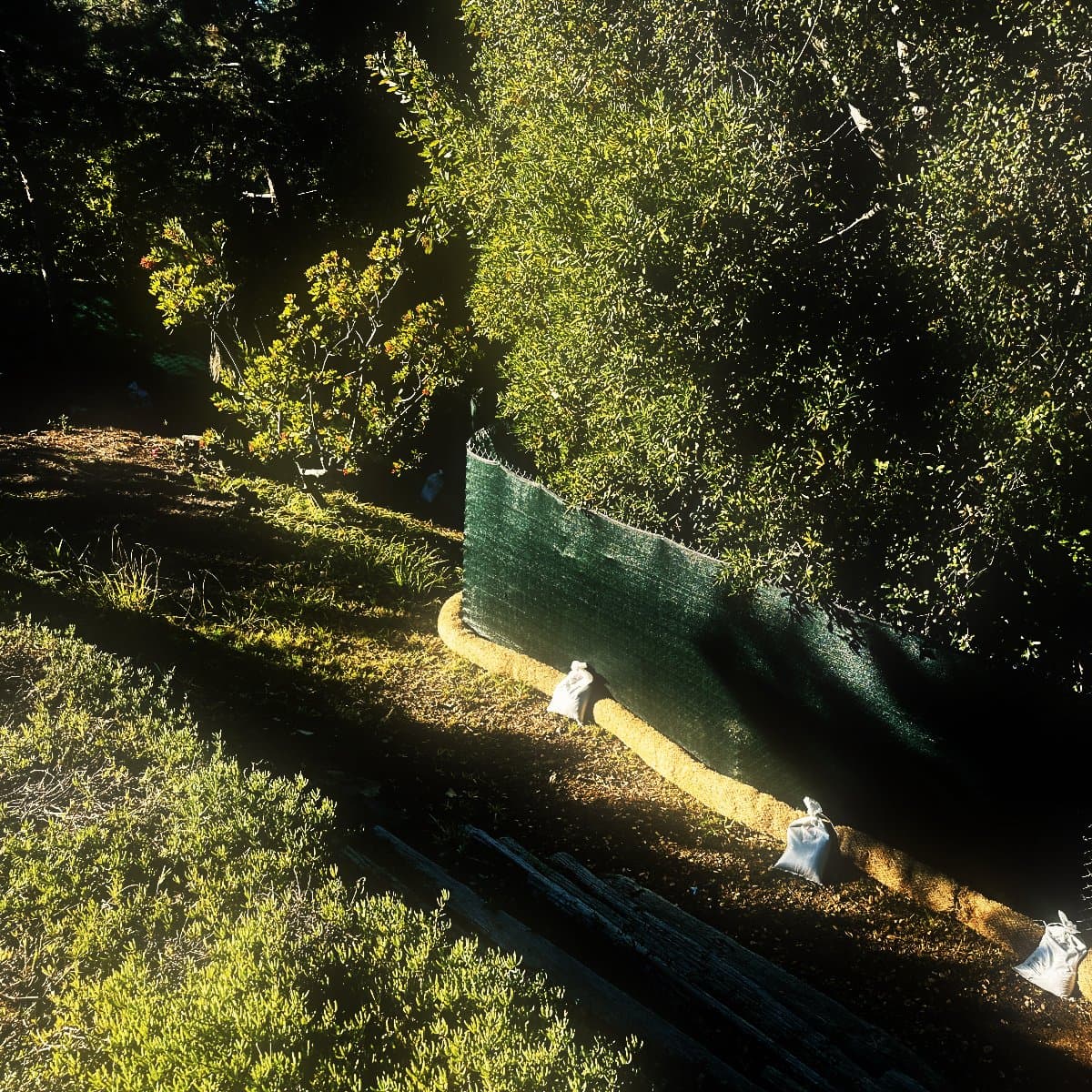
Fiber roll, silt fence and gravel bags run the full perimeter before any ground is broken. Once the site is open they cannot be placed behind the work.
The face is covered
Ahead of the wet season the cut face is sheeted end to end and weighted down on a sandbag grid, so rain runs off the cover rather than into the material behind it.
It is maintained, not installed and left
Controls are checked and repaired after storms for as long as the excavation is open. A silt fence that has been overtopped and not reset is the same as no silt fence.
A custom home cut into a hillside in Brentwood was held this way: the perimeter controlled before demolition began, the slope sheeted and weighted through the winter, and the excavation kept open from one autumn to the following spring. See how this project ran →
How the work is sequenced
Perimeter controls
Nothing on the site is touched until the boundary is run and the screened fence is up. It is the only stage that has to be built on ground that is still undisturbed.
Clearance and demolition
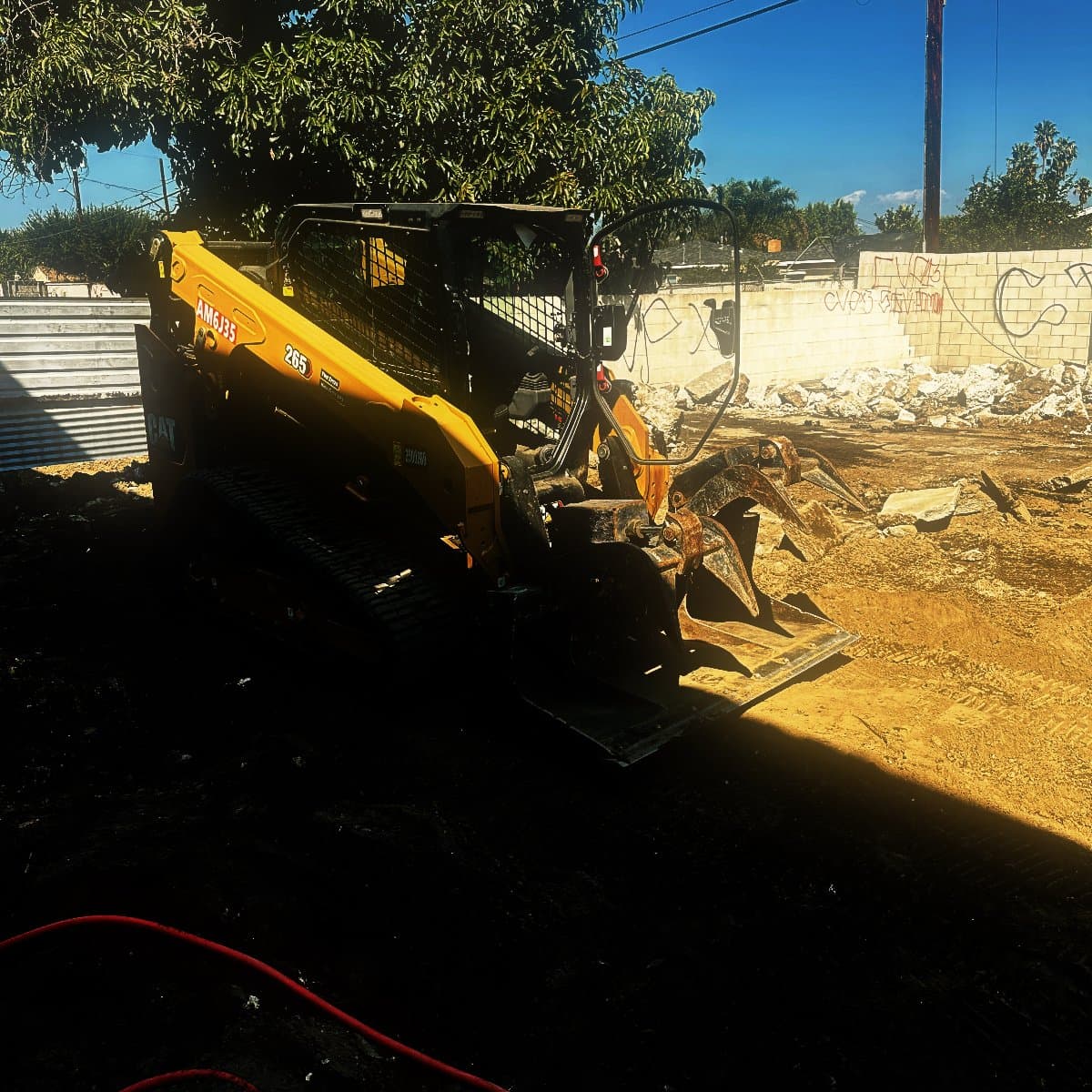
What stood on the lot is taken down and broken small enough to handle, then worked out to the boundary so the middle of the site is clear to dig.
Excavation
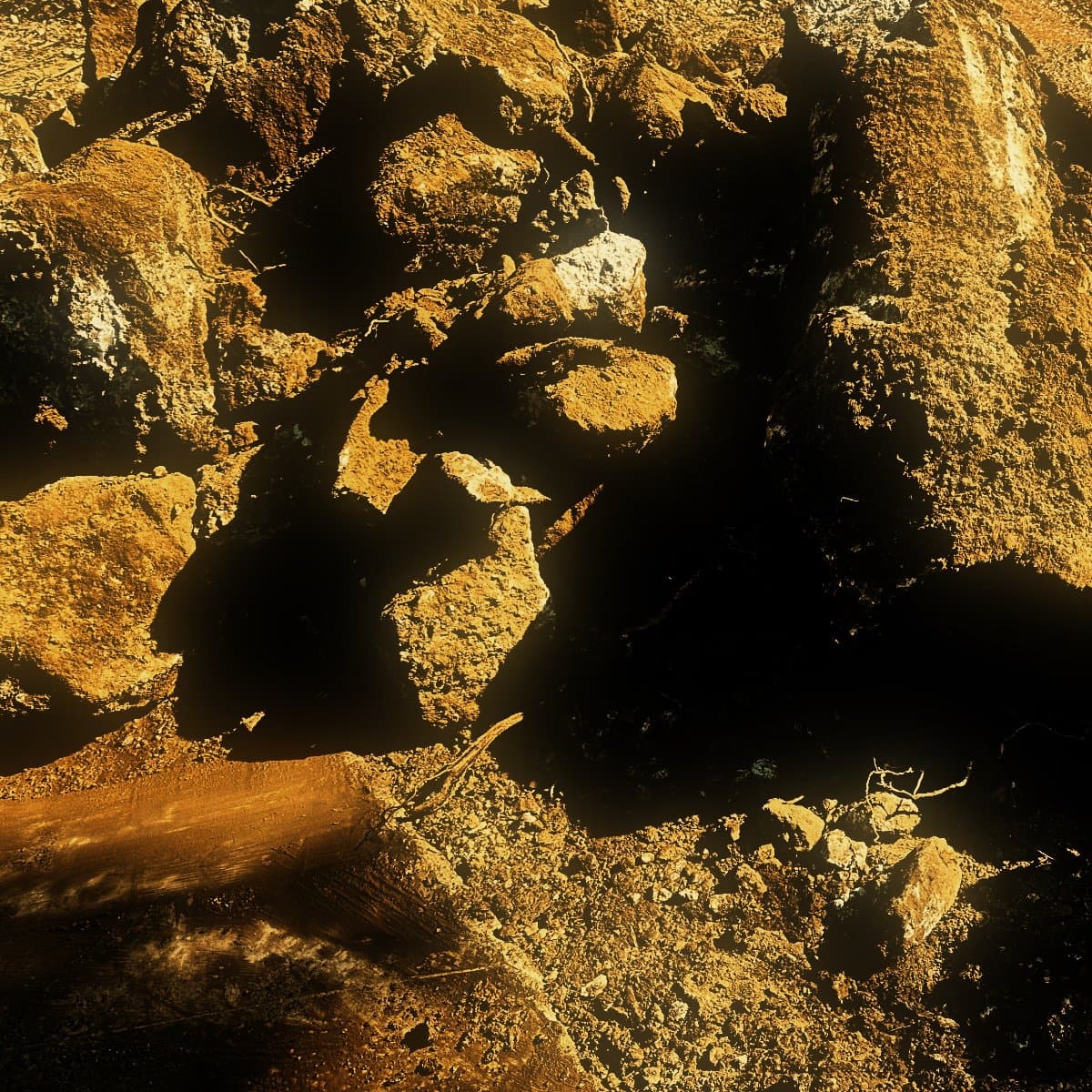
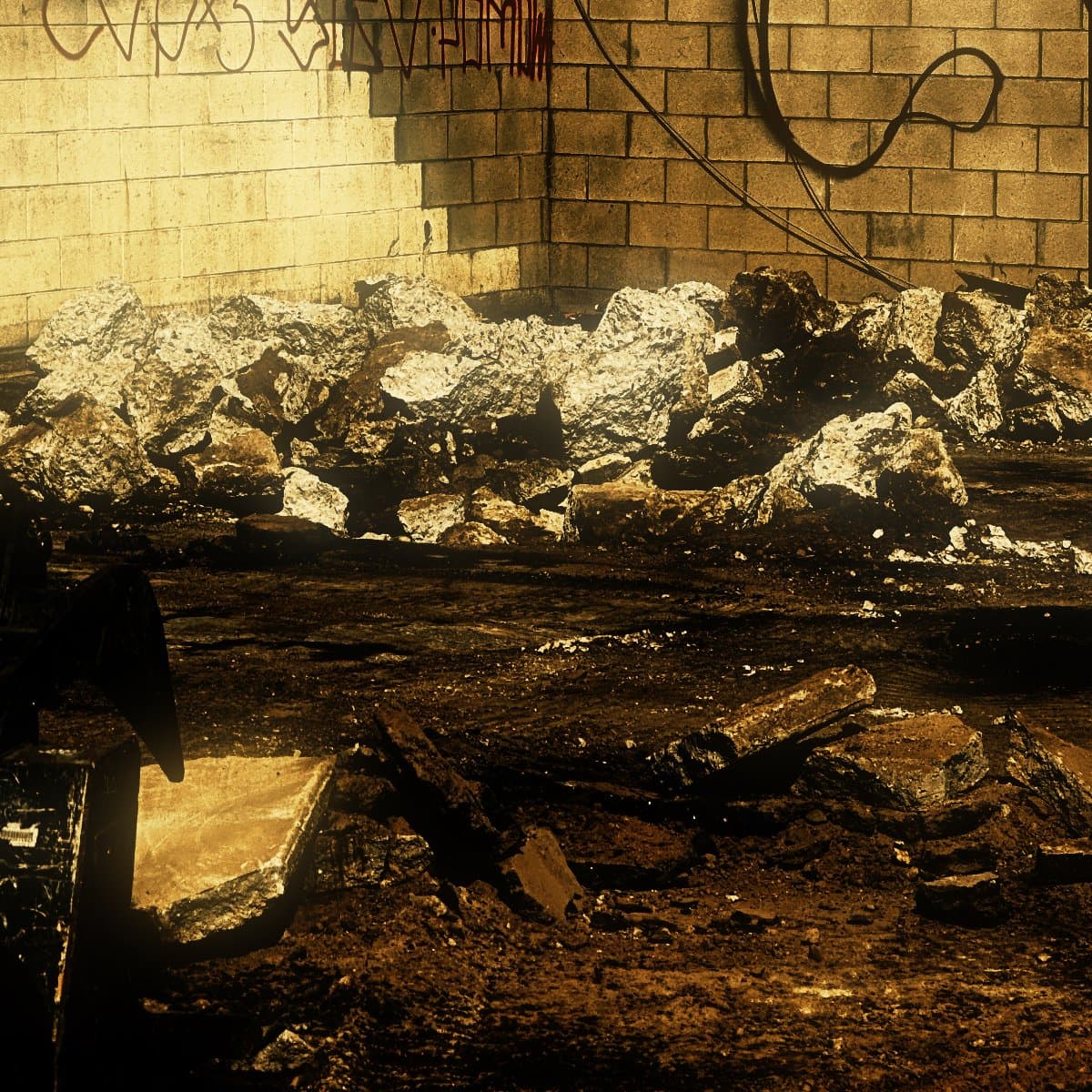
The cut is made to the levels on the drawings. Where the material will not dig, it is broken out and reduced on site until it can be loaded.
Export
Broken material is stacked where a truck can reach it, then loaded out to a licensed facility, with the street swept between loads.

Dust and street control
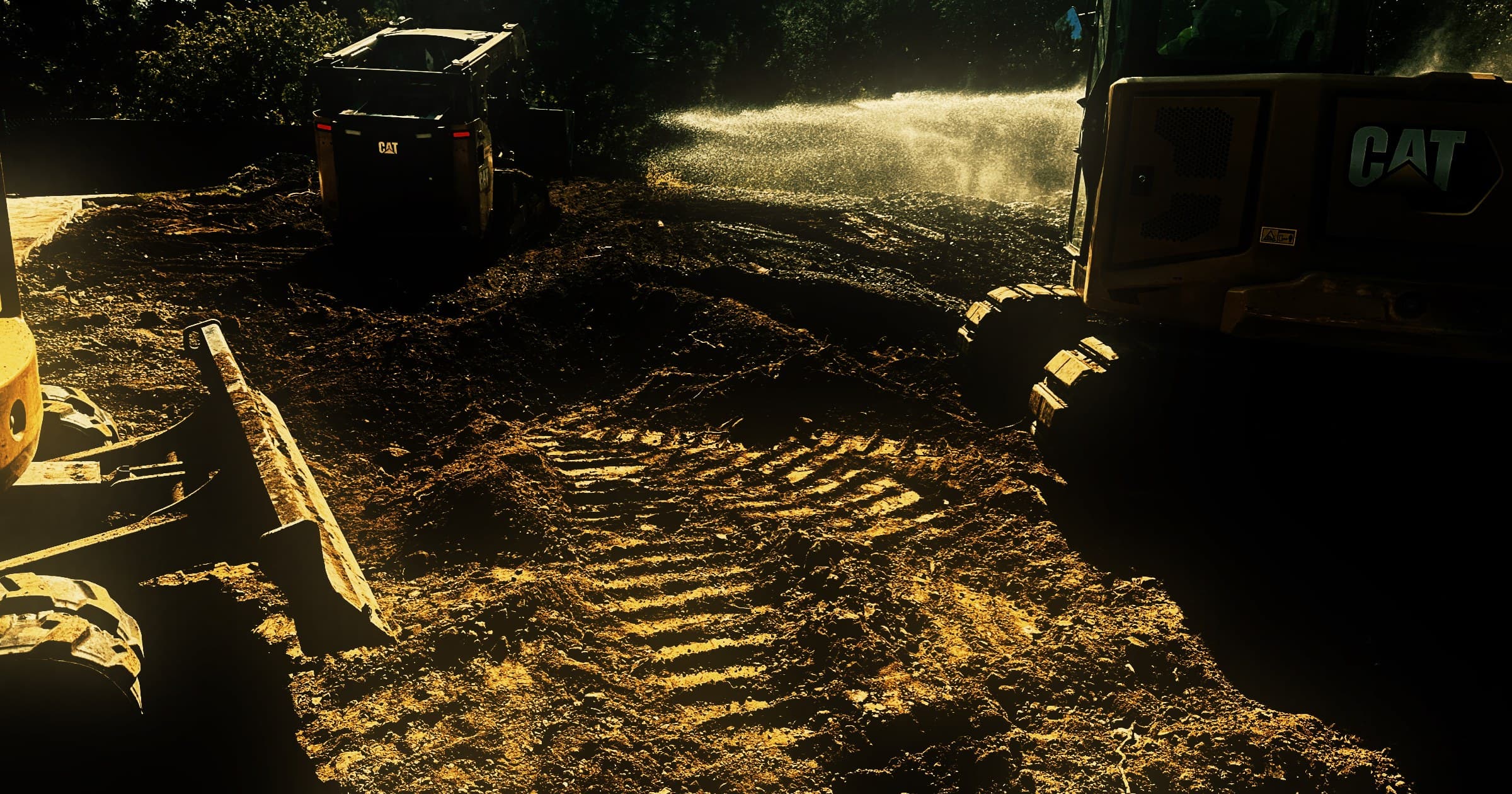
The working surface and the haul route are wetted through the day, which is a condition of the permit rather than a courtesy.
Underground services follow the same sequence. EMAE & Sons trenches for storm, sewer, water and conduit, sets sleeves through structure before it is closed up, and reinstates the surface it opened. Site drainage is designed and installed as part of the construction package rather than as a standalone service.
Site development projects
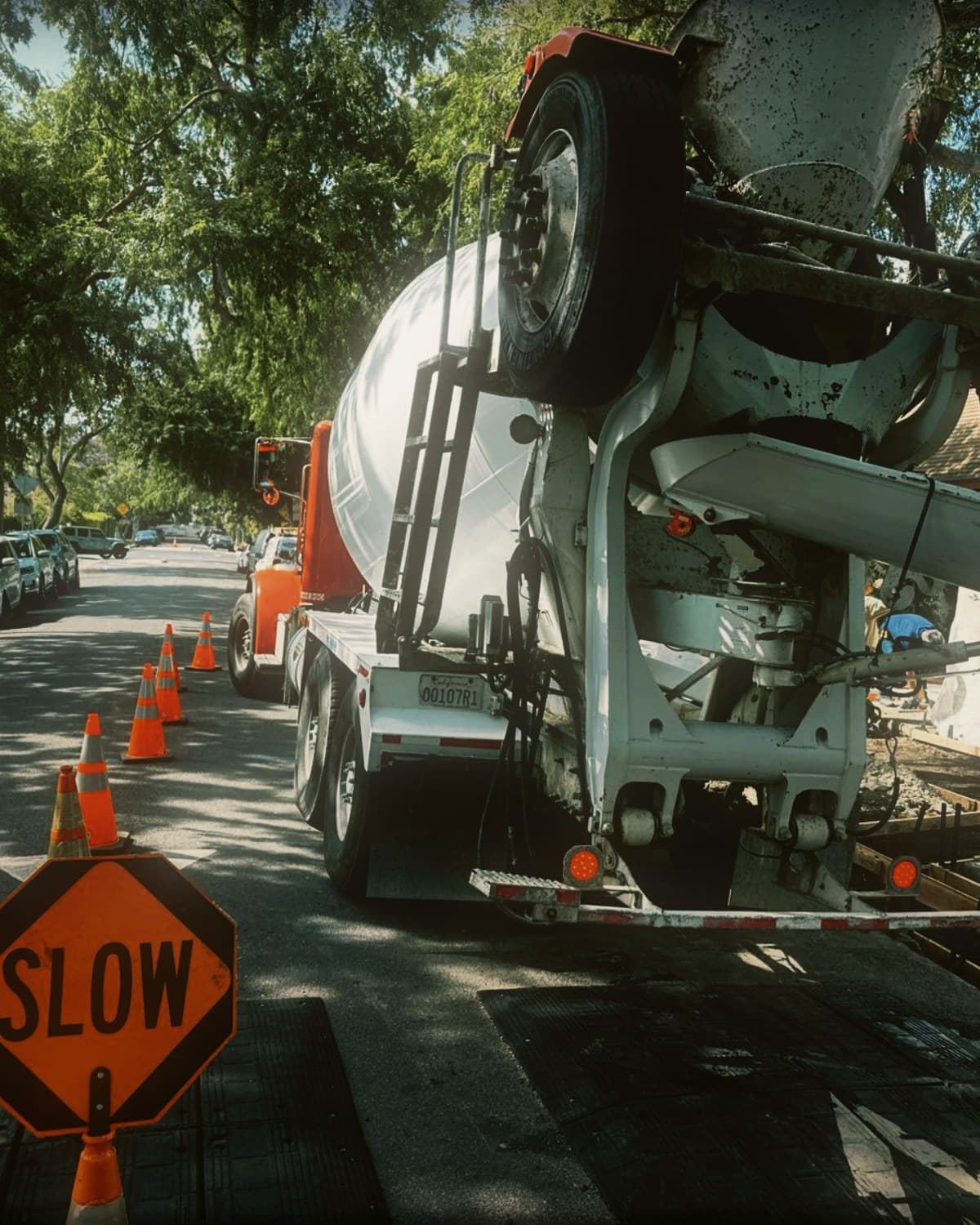
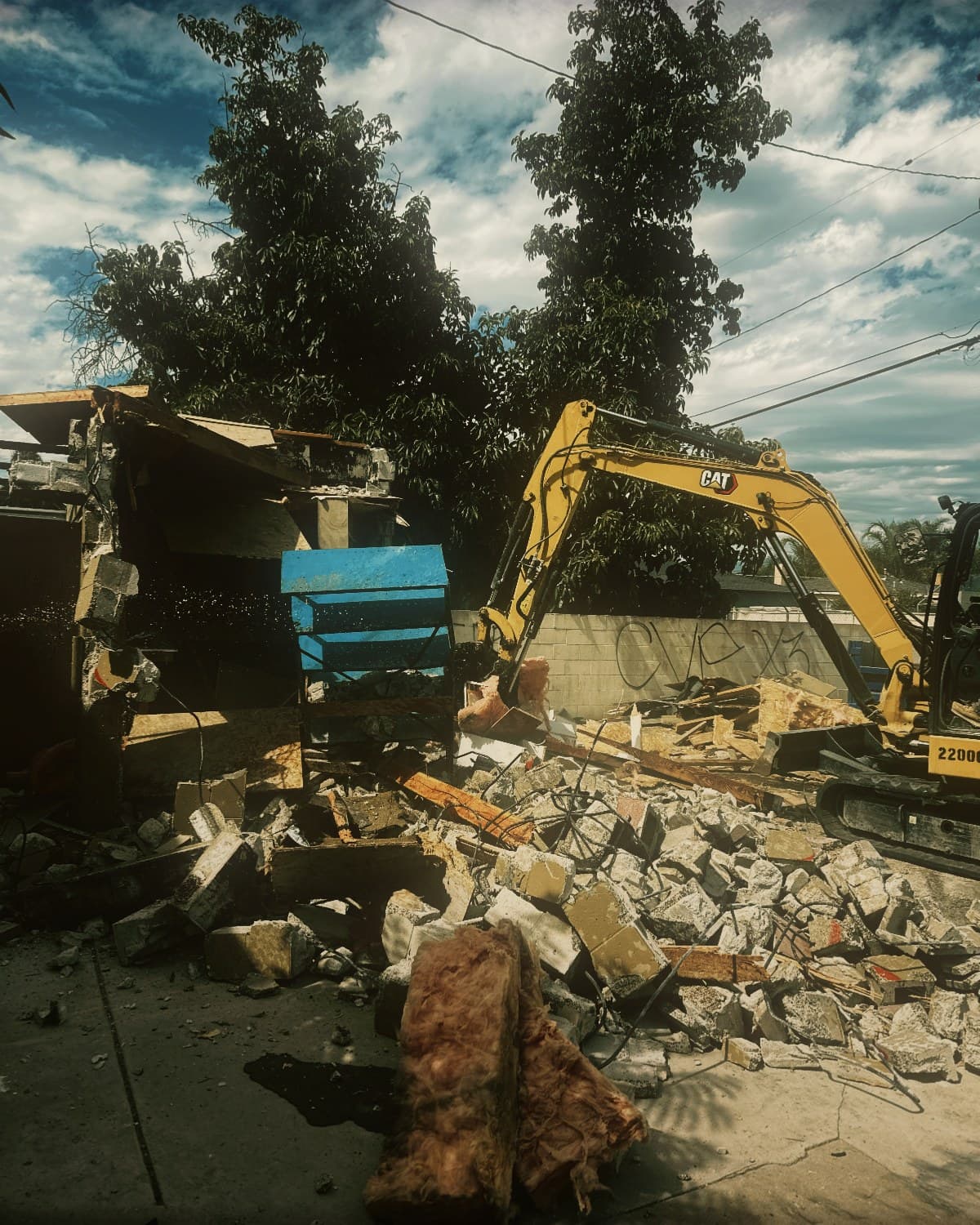
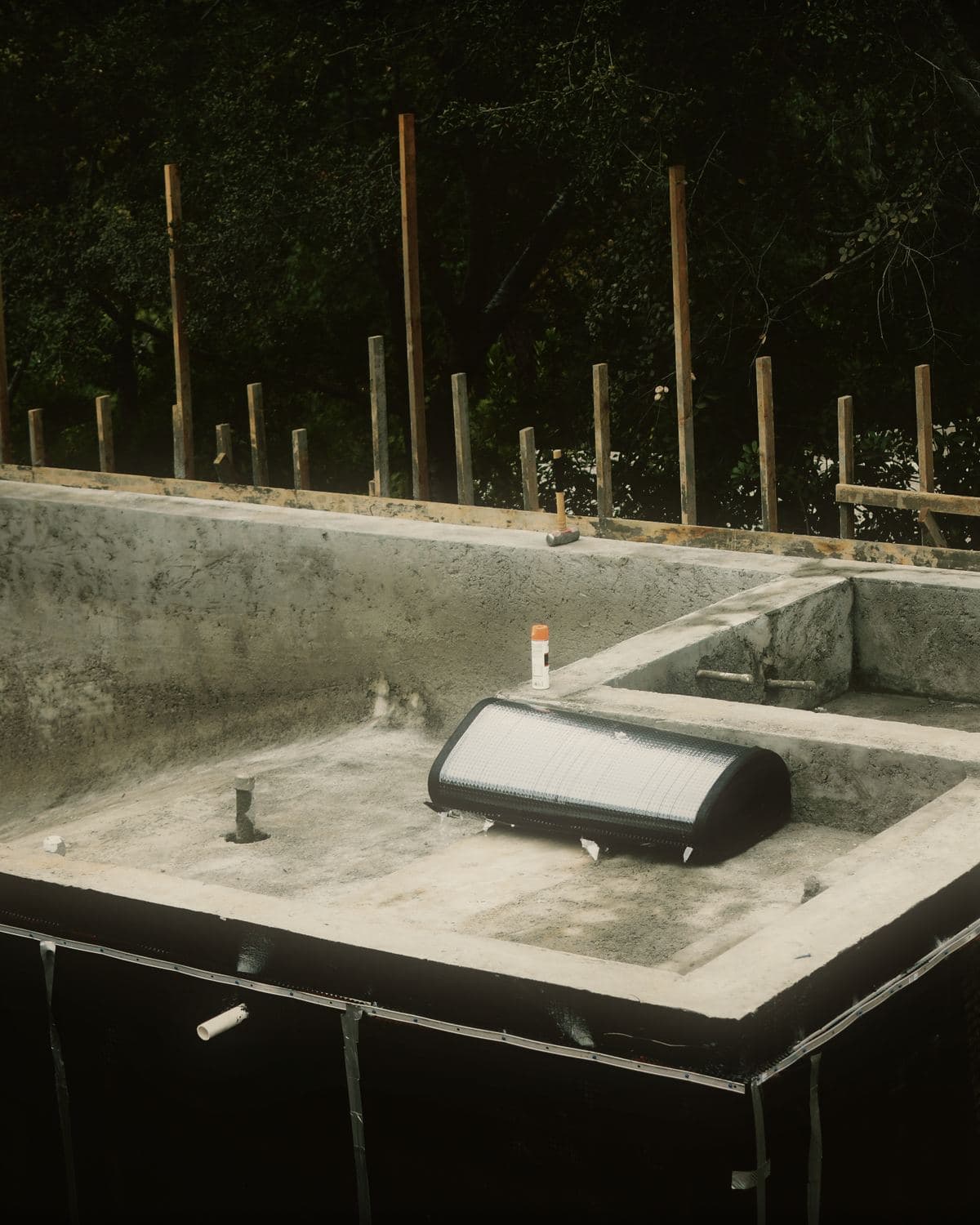
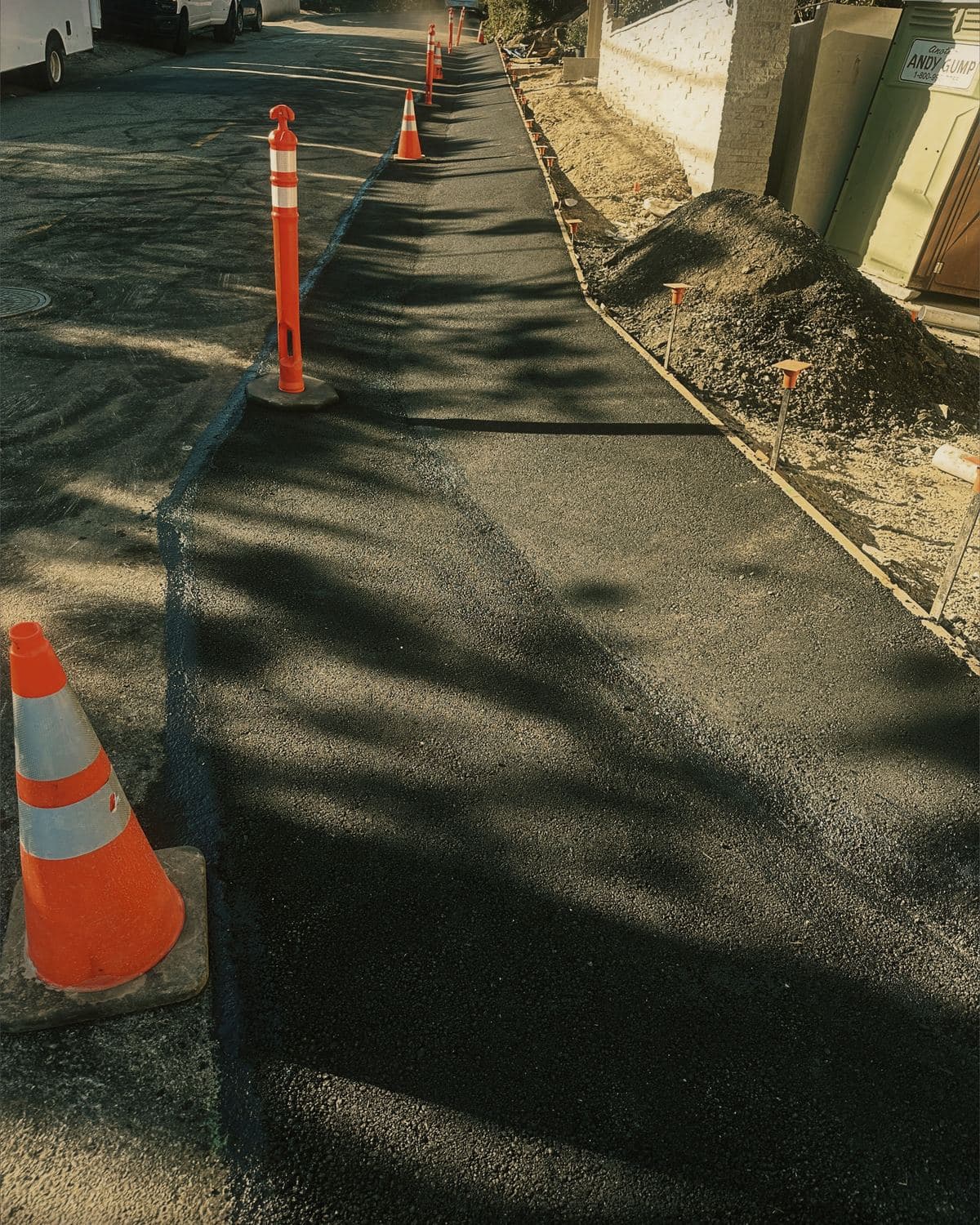
Each of these was photographed on site while the work ran, and each has a record of its own. They range from a hillside cut held open through a winter to a commercial lot cleared and regraded, and to trenching and reinstatement inside a public street.
Who this is for
Work we are the right contractor for
- Owners and general contractors building on a sloping, rocky or constrained lot
- Projects where the demolition, the excavation and the structure belong in one contract
- Sites that have to stay open and compliant through a wet season
- Commercial lots needing clearance, regrade and underground services before a build
What we do not take on
- Yard drainage and landscape grading as a standalone job
- Geotechnical investigation and soils reports — we build to them, we do not produce them
- Excavation priced without access, export and disposal established first
EMAE & Sons Inc works on commercial and residential property under the same license. A hillside home in Brentwood, a commercial site in Pomona and a right-of-way in West Hollywood are all within this scope.
Questions about excavation and site development
What is the difference between grading and excavation?
Excavation removes material from a site and grading shapes what is left to the levels and falls a design calls for. A hillside build usually needs both: the footprint is cut out first, then the ground around it is brought to grade. EMAE & Sons Inc carries out both under Class A General Engineering on California license #1107216.
Does EMAE & Sons carry out earthwork with its own crews?
Yes. EMAE & Sons Inc carries out earthwork with crews it employs directly, and subcontracts specialist trades to licensed firms under its own license and supervision. On a hillside site in Brentwood the firm demolished the house standing on the lot, cut the building footprint into rock and exported the material, with the caissons drilled by a specialist drilling contractor.
Who is responsible for erosion and sediment control on a construction site?
The contractor holding the permit is responsible for installing and maintaining erosion and sediment control, and for keeping it in place until the ground is stabilized. EMAE & Sons Inc runs perimeter fiber roll, silt fence and gravel bags before any ground is broken, sheets an open face before the wet season, and repairs the controls after storms rather than at the end of the job.
What happens to the soil and rock excavated from a site?
EMAE & Sons Inc exports excavated material by truck to a licensed facility, loading it straight from the excavation rather than stockpiling it twice where the site has no room. Material that will not dig is broken down on site until it can be loaded, and the street is swept between loads so the haul route stays clean.
Related services
Send us the site plan
The site plan or grading plan, the soils report if one exists, and the address. That is enough for EMAE & Sons to tell you what has to come off the site, what the access will allow in a day, and what has to be established before any of it can be priced.